The language of young Europeans - as we say in common Europe
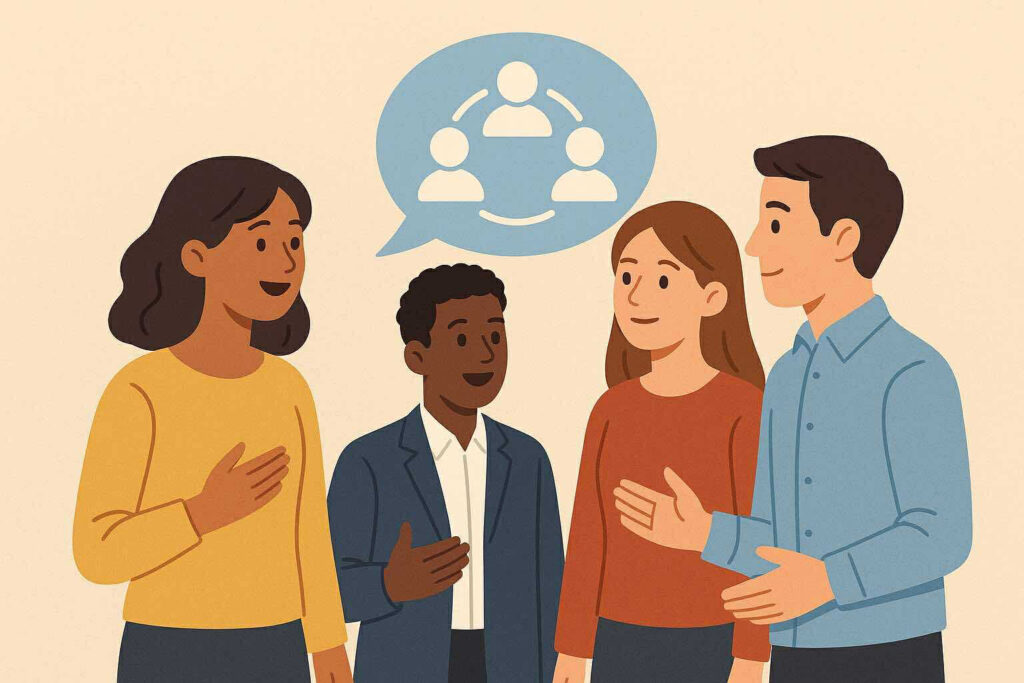
Have you noticed that people across Europe are increasingly speaking in similar ways? The same words, abbreviations, emotions, and even memes appear in our conversations.
Even though we speak different languages, in a sense we understand each other better and better!
Today, language is no longer limited to words. When writing to friends, we use anglicisms like “chill,” “team,” “update,” and so on; we create neologisms—new words—and communicate emotions through emojis.
This is how a culture of ease, openness, and mutual understanding is born, even if we speak different languages.
Slogans that unite - "united in diversity"
For years, the European Union has used the motto “United in Diversity.” This is not only a political slogan, but also a description of how we communicate in Europe today. In the language of young people, everyone can be themselves and, at the same time, create a community. Young people mix:
Style – formal, with colloquial usage; facilitates conversations between generations
Languages - help in international communication
Cultures - expand young people's knowledge of other cultures
COMMON LANGUAGE OF VALUES
Language is not just a tool but also a mirror of our values. Increasingly, we speak of inclusive language—one that doesn’t exclude anyone and is respectful.
Unlike exclusionary language, it doesn’t divide people into “us” and “them.” Community is based on tolerance and respect for human rights.
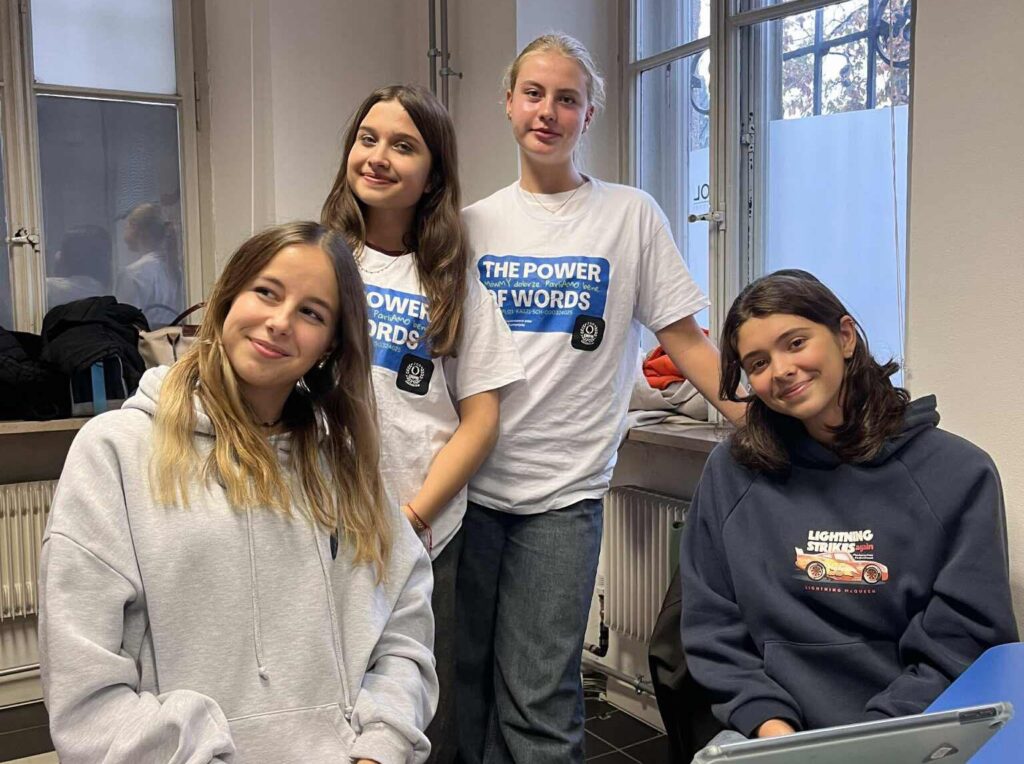
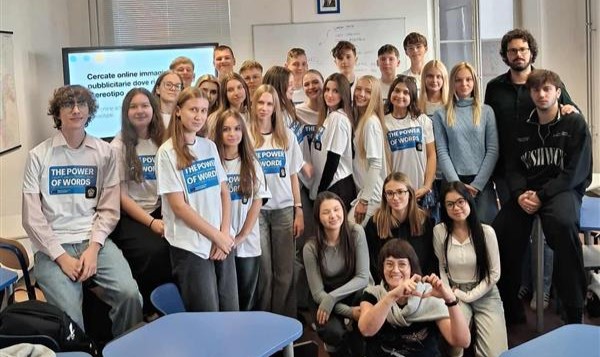
Thanks to the knowledge of a common language – English – we can cooperate with a partner Italian school – Liceo Scientifico Paritario Do Lorenzo Milani in Udine.
WORDS OF SOLIDARITY
EU documents and campaigns frequently feature words like peace, equality, human rights, and solidarity. These aren’t just slogans—they’re a language that builds bridges between people and countries.
Young people are increasingly using this language in their daily lives, a sign that shared values are truly working.
How can we preserve the words of solidarity in our daily lives?
Show empathy and listen carefully to others, respecting their feelings and experiences.
Use language of support and understanding, rather than judgment or criticism.
Respond to the needs of others by offering help and cooperation when someone is in difficulty.
LANGUAGE OF INTEGRATION
Integration between people from different countries involves learning about each other’s cultures, customs, and values, which fosters understanding and tolerance. It enables peaceful coexistence and cooperation across borders.
When we talk about integration, we think about connecting people—migrants, minorities, and people from diverse backgrounds. The language of media, education, and politics can foster inclusion or, conversely, deepen divisions.
It’s important to speak simply, openly, and with empathy—because that’s how true community is built.
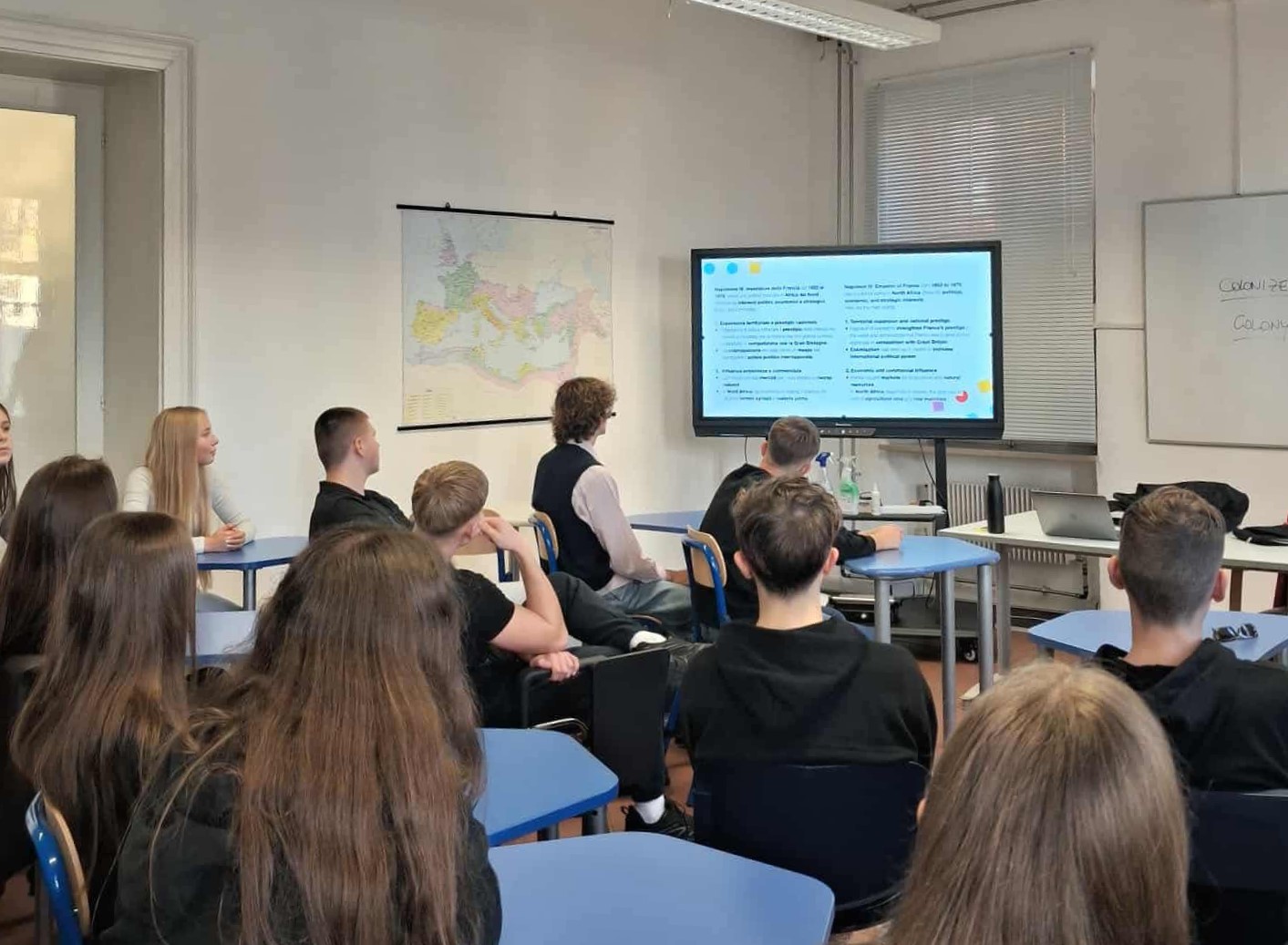
Thanks to integration, we can participate in classes together despite language barriers
LANGUAGE BRIDGES
Another interesting phenomenon are so-called language bridges – words and phrases that travel between languages. Pizza, selfie, internet – these are examples of words that almost every European knows.
Thanks to them, a common European vocabulary is being created, uniting us despite cultural and linguistic differences.