
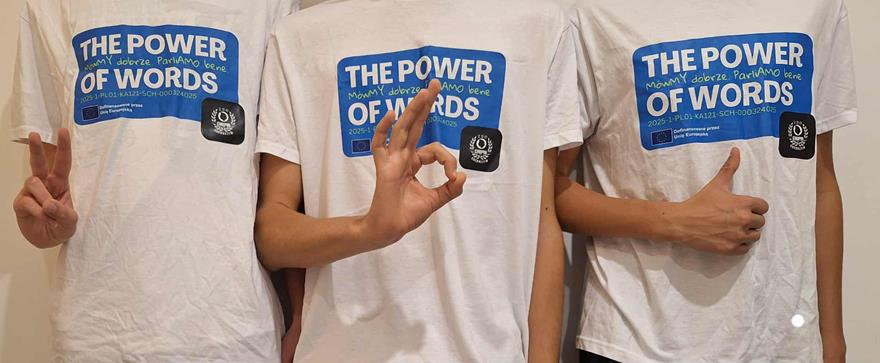
It’s not always necessary to speak to communicate. Sometimes a hand gesture, a look, or a tone of voice is enough for the other person to understand what we’re feeling. This is the magic of everyday theater—the theater of dialogue, where each of us plays a role, even without words or speaking. And that’s when the question arises: what truly matters most in a conversation—content, tone, or gesture? Albert Mehrabian described this in his rule:
So nonverbal communication is the most important factor in a conversation. But how can you use it?
HOW TO COMMUNICATE WITHOUT A COMMON LANGUAGE?
Is conversation possible without a common language? Yes, provided we can read and transmit nonverbal signals. In the everyday world, where every gesture, tone of voice, and gaze create a message, words become just one of many communication tools. Mehrabian’s Rule clearly demonstrates that to communicate with people speaking different languages, one must use universal gestures, signs, and facial expressions. When traveling to other countries, a basic understanding of the country’s nonverbal communication can be useful, so it’s worth preparing.
CULTURAL CODES IN GESTURE
✌️
Most of countries- symbol of peace or victory
Great Britain- offensive vulgar sign (equivalent of showing the middle finger)
👌
USA, Kanada – “OK”
Brasil, Turkiye – offensive gesture
👍
Europe, USA – “OK”, agreement
Middle East, West Africa- offensive vulgar sign (equivalent of showing the middle finger)
LANGUAGE OF SILENCE
Silence doesn’t always mean a lack of communication. In Eastern cultures, it’s an expression of respect and reflection, while in Western cultures, it can be perceived as distance. Silence, therefore, has its own meaning and rhythm, which contributes to dialogue just as much as speech.
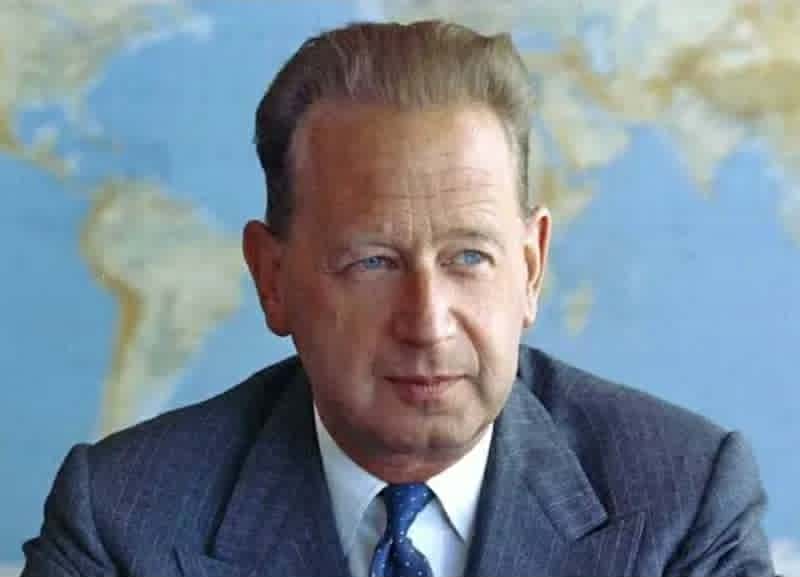
This quote demonstrates that silence is not a void, but a source of meaning and reflection. In silence, one can hear oneself and discover the truth before uttering words. It’s a reminder that meaningful communication is born from inner focus, not from rushed speech.
VOICE AND INTONATION
The tone of a statement can completely alter its reception. The same words, spoken softly or harshly, take on different meanings. Intonation, therefore, becomes a tool for emotionally shaping the message.
THEATRE OF EVERYDAY GESTURES

We use some gestures everyday, such as a handshake, a thumbs up, or other hand movements.
So how do you communicate without words?

Use gestures
Using gestures is the most important part of dialogue, remember them!

respect culture
When talking to a person from a different culture, remember to respect them!
take care of your voice
Remember to use the appropriate tone and intonation of your voice!