
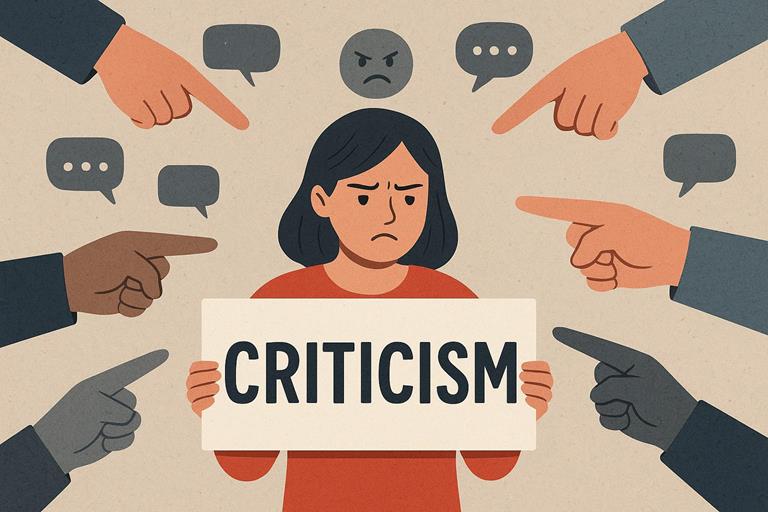
Hate or criticism? – how to recognise the line between opinion and attack
In the age of social media, each of us can be an ‘author’ – of comments, opinions, reviews. This is a great freedom, but it comes with a great responsibility. In this respect, the internet is no different from the real world. Sometimes a single sentence is enough to motivate or hurt someone. That is why it is so important to learn to distinguish between hate and constructive criticism.
What is the difference between hate and criticism?
Hate speech is primarily a negative, offensive and/or aggressive statement. As a rule, it contributes nothing to the conversation. It is about the attack itself.
We must remember that hate speech is not a phenomenon unique to the internet. It existed long before the internet appeared – in conversations at school or at work. It can be hidden in ironic remarks. It is not always as visible and obvious as it is in comments under a post or video. Hate speech always hurts, no matter how loudly it is spoken.
Criticism is quite different; it consists of a negative or critical assessment of someone or something. Its purpose is to improve or change, not to hurt someone.
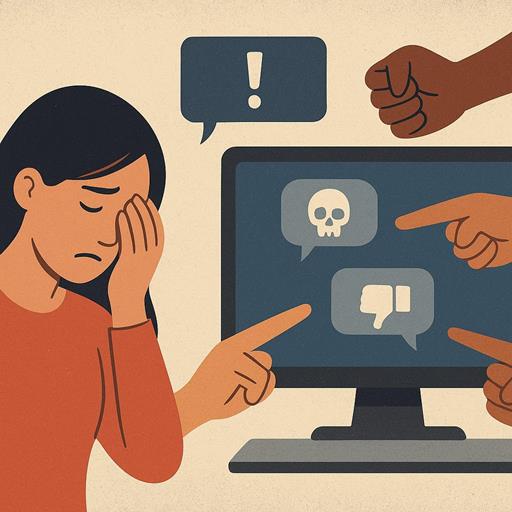
Where does hate come from?
Hate speech stems mainly from emotions: frustration, jealousy or the desire to show one’s superiority. The internet provides a sense of anonymity, which gives a kind of security, impunity in writing hateful comments. Probably most haters would never say all this face to face. Haters want to ‘shine’ at someone else’s expense. And the real art is the ability to criticise constructively.
Empathy is not a cliché – how to speak so that you are truly listened to
Empathy is not just an empty word. It is a skill without which it is impossible to have a genuine dialogue. It is a conscious understanding of another person – their emotions, experiences and, above all, their point of view.
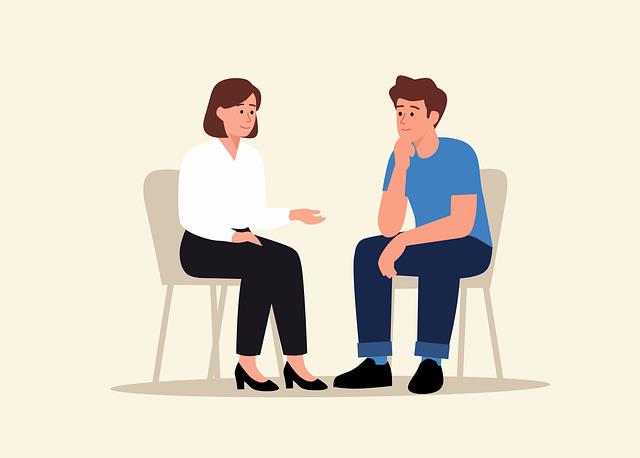
How to be emphatetic?
Use phrases that express understanding, e.g. ‘I understand that…’; ‘I guess that…’
Remember to use phrases expressing praise/approval, e.g. ‘I appreciate…’; ‘I’m keeping my fingers crossed’; ‘I hope that…’.
Be kind, e.g. ‘Thank you’; ‘You’re welcome’; ‘I’m glad to hear that.’
The language of compromise – how to talk so that both sides come to a agreement
At some point in every conversation, a difference of opinion arises. This is a very good sign, indicating that we are thinking independently. The problem is that instead of talking, we often start arguing and try to prove that we are right. But dialogue is not about winning, it is about reaching an agreement. This is where the concept of compromise comes in.
Words that help reach an agreement
–> ‘You’re right to a certain extent.’
–> ‘Maybe let’s try something different.’
–> ‘We don’t have to agree on everything.’
Contrary to appearances, these words do not weaken our negotiating position. They are a sign of strength. They demonstrate our maturity and emotional intelligence.
How to resolve disputes?
Words have enormous power. They can fan the flames of misunderstanding or extinguish them, bringing peace and understanding. Sometimes it is enough to lower your voice, speak slowly, carefully and respectfully, for the tension to begin to dissipate. It is worth remembering that not every conversation has to end with one side winning.
In such moments, the skills mentioned earlier prove particularly useful: empathy, which allows you to understand another person’s emotions, and compromise, which allows you to meet halfway. It is these skills that make even a difficult conversation the beginning of understanding rather than a source of further conflict. Because wisdom is not about always being right, but about being able to listen, understand and remain calm.